
Why Modern eCommerce Businesses Need AI-Powered SEO

The eCommerce landscape moves fast. Brands that use AI-driven SEO see better visibility, more relevant traffic, and higher conversion rates. This guide explains what AI-powered SEO is, how it differs from traditional SEO, and why retailers should care. We’ll walk through the core AI technologies—like machine learning and natural language processing—the practical benefits for product discoverability and personalized shopping, plus the tools and tactics teams can use today to prepare for Answer Engine Optimization (AEO) and the next wave of search.
Recent research highlights how AI is reshaping e-commerce competitiveness and reworking traditional marketing processes.
AI-Powered SEO for E-commerce Competitiveness & Visibility
This study examines how artificial intelligence strengthens market competitiveness when applied to SEO and digital marketing in e-commerce. As marketplaces grow more crowded and algorithm-driven, companies must improve visibility, personalization, and engagement to stay relevant. The authors show that AI technologies—machine learning, natural language processing, robotic process automation, and predictive analytics—are changing marketing workflows across the full digital funnel.
Enhancing market competitiveness through AI-powered SEO and digital marketing strategies in e-commerce, R Hasan, 2025
What AI-Powered SEO Means for Ecommerce — and How It Differs from Traditional SEO
AI-powered SEO brings automation and data-driven decision-making into optimization. Traditional SEO focuses on keywords and manual edits; AI adds models that analyze large datasets, predict search behavior, and adjust content dynamically. The result is more relevant search experiences, better product discovery, and measurable lifts in conversion and customer satisfaction.
How Machine Learning and NLP Change Ecommerce Search
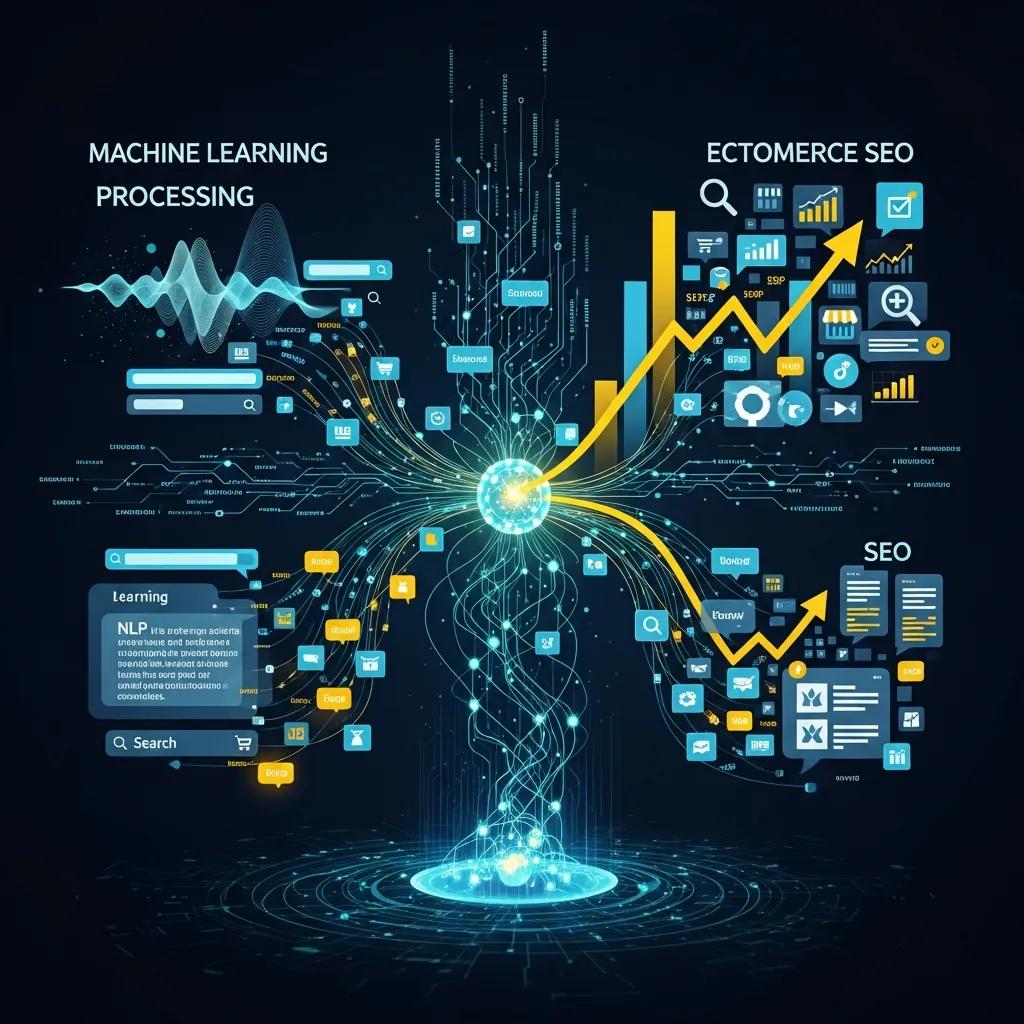
Machine learning spots patterns in customer behavior—what shoppers search for, what they click, and what they buy together—and uses those signals to surface the right products. Natural language processing helps search systems understand user intent, so results match context, not just keywords. Together, these technologies make product search more accurate and shopping experiences smoother.
Why Answer Engine Optimization (AEO) Matters for Ecommerce
Answer Engine Optimization focuses on delivering direct, concise answers to customer queries instead of only ranking pages. AEO uses AI to infer intent and present immediate, actionable information—think featured snippets, product answers, and voice responses. For retailers, optimizing for AEO increases the chance of being the single result a shopper sees or hears, which can drive clicks and conversions.
Key Benefits of AI for Ecommerce SEO
When integrated thoughtfully, AI improves how customers find products, how relevant those results are, and how likely shoppers are to convert. Major benefits include better discoverability, tailored shopping journeys, and stronger conversion performance.
- Enhanced Product Discoverability : AI interprets behavior and search context to surface products to the right shoppers at the right time, improving visibility in search and discovery channels.
- Personalized Shopping Experiences : By analyzing user data, AI helps create individualized product recommendations and content that resonate with shoppers, increasing engagement and loyalty.
- Improved Conversion Rates : AI-driven insights reveal which products, messages, and channels convert best—letting teams optimize offers and UX to lift average order value and repeat purchases.
How AI Makes Products Easier to Find and Shops More Personal
AI improves discoverability by surfacing trending search terms, suggesting better product associations, and refining on-site search relevance. It personalizes the shopping path by recommending items based on past behavior and browsing signals. Those focused improvements not only increase engagement but also make repeat purchases more likely.
Academic work also points to AI’s broad role in content optimization and personalization across e-commerce systems.
AI’s Role in E-commerce SEO, Personalization & Content Optimization
This chapter reviews AI’s growing role in e-commerce, covering challenges in defining AI and its expanding use across fulfilment, inventory, chatbots, personalization, automated ordering, and ads. It highlights AI’s impact on SEO and content—showing how tools (including large language models) can automate and optimize e-commerce content. The chapter concludes with an experiment using ChatGPT for SEO, demonstrating potential gains in search rankings for e-commerce sites.
Artificial intelligence in E-commerce, G Chodak, 2024
How AI Drives Better Conversion Rates and Competitive Edge
AI surfaces actionable signals—best-performing channels, winning product bundles, and high-converting content—that teams can act on quickly. Smarter recommendations, targeted merchandising, and more efficient ad spend all add up to higher average order values and stronger customer retention. Adopting AI-powered SEO can therefore become a meaningful competitive differentiator.
Which AI Tools and Strategies Work Best for Ecommerce SEO?
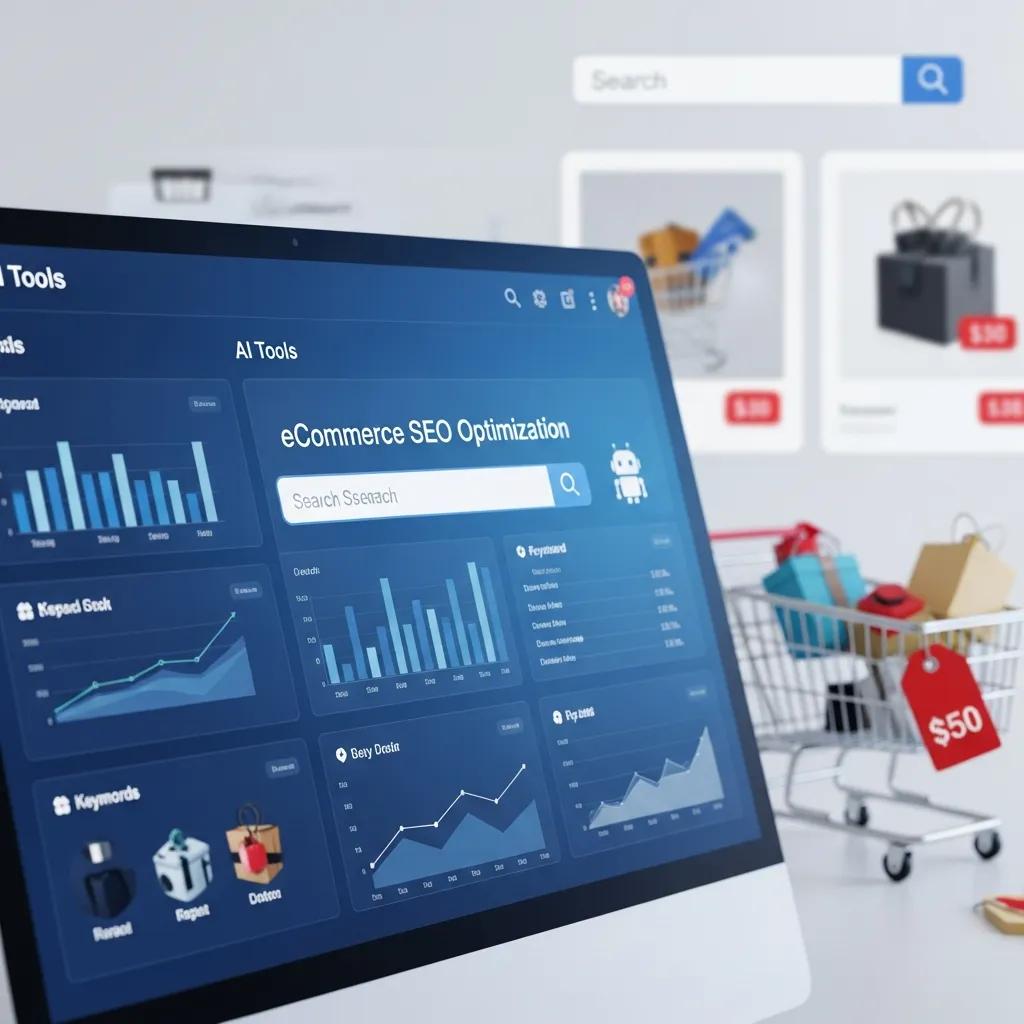
To capitalize on AI, teams should mix the right tools with clear strategies. That means choosing AI-powered platforms, optimizing for semantic search, and preparing content for voice and answer-based results.
- AI-Powered SEO Tools : Platforms like SearchAtlas OTTO automate on-page SEO tasks and surface opportunities so teams can focus on strategy and creative work. These tools analyze performance and recommend improvements driven by AI.
- Semantic Search Optimization : Align content with user intent using structured data and clear semantics so search engines and answer engines understand your products and content.
- Voice Search Optimization : With voice queries on the rise, use conversational phrasing and natural language to match how people speak when searching.
Optimizing Product Listings for AI Recommendations and Semantic Search
Make product descriptions clear, informative, and intent-driven. Use relevant phrases shoppers actually use, add high-quality images and video, and apply structured data markup so AI systems can read product attributes accurately. These steps improve both recommendation fit and organic visibility.
Best Practices for Semantic Content and Voice Search
- Use Natural Language : Write product copy and FAQs that sound like real conversations to align with voice and conversational search.
- Focus on Long-Tail Keywords : Target specific, intent-rich phrases that reflect buyer intent—especially useful for voice and niche searches.
- Implement Structured Data : Add schema markup to give search systems clear, machine-readable details about products and offers.
How Ecommerce Brands Should Prepare for AI and AEO
AI and AEO are changing how shoppers find answers and products. Brands that focus on credibility, technical health, and relevant content will be best positioned to capture those new discovery moments.
- Understand AI Trust Signals : Trust signals—reviews, social proof, transparent policies, and authoritative links—help AI systems and shoppers treat your brand as reliable.
- Build a Strong Foundation for Ongoing AI SEO : Prioritize site structure, mobile performance, and consistently useful content. Those basics let AI-driven tactics perform at scale.
What Are AI Trust Signals and Why They Matter
AI trust signals are cues that show a brand is credible to both people and algorithms: verified reviews, clear product information, strong backlinks, and transparent business practices. Strengthening these signals helps AI-driven discovery favor your listings, increasing traffic and conversions.
How to Create a Durable Foundation for AI SEO Success
- Optimize Website Structure : Keep navigation simple and content organized so both users and AI can find what matters quickly.
- Create High-Quality Content : Produce helpful content that answers customer questions and supports purchase decisions.
- Follow Technical SEO Best Practices : Regularly audit for broken links, slow pages, and other issues that block discovery and degrade user experience.
Common Questions About AI SEO for Ecommerce
How Does AI Help Ecommerce SEO and Product Visibility?
AI analyzes customer behavior and search signals to recommend keywords, content, and product relationships that improve discoverability. By spotting trends and intent, AI helps brands move faster and keep content aligned with what shoppers actually want.
Will AI Replace SEO Specialists in Ecommerce?
AI is a powerful assistant, not a replacement. It automates repetitive tasks and surfaces insights, while SEO professionals use judgment, strategy, and creative skill to apply those insights effectively. Human expertise remains essential.
Conclusion
AI-powered SEO gives eCommerce brands clearer discovery, more personalized shopping, and measurable conversion gains. Machine learning and NLP make search and recommendations smarter; AEO shifts focus toward precise answers. Start by shoring up your technical foundation, building trust signals, and integrating AI tools where they streamline work—then measure and iterate. Ready to see how AI can lift your listings? Explore AI-driven tools that fit your stack and business goals.